
By Julie Tomascik
Editor
Texas hunters should add New World screwworm (NWS) awareness to their checklist before heading to the field this hunting season.
Texas Parks and Wildlife Department (TPWD) is encouraging hunters to watch wildlife for signs of NWS and carefully inspect harvested animals. Hunters and landowners can play an important role in early detection of the pest.
NWS flies lay eggs in open wounds or mucous membranes of living, warm-blooded animals. The eggs hatch into larvae, or maggots, that feed on living tissue. Without treatment, an infestation can be fatal.
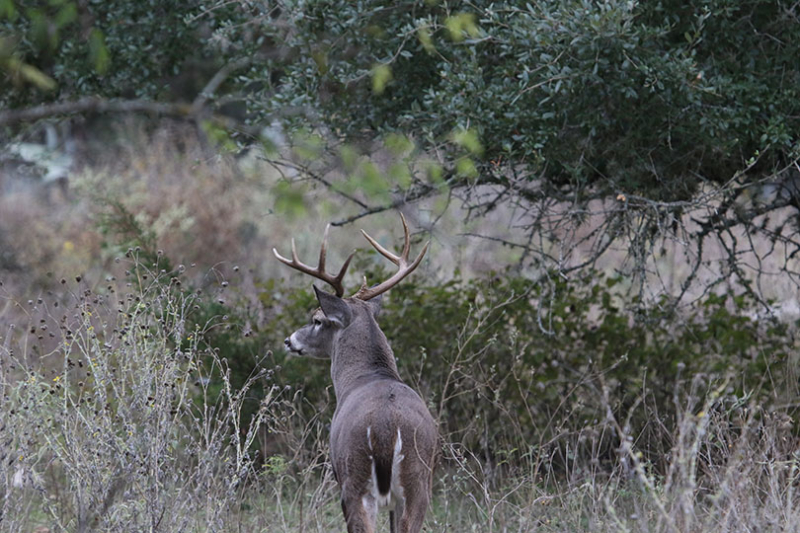
All warm-blooded animals are susceptible. TPWD noted white-tailed deer, jackrabbits, cottontails, small mammals and turkeys are among the wildlife more commonly affected.
Hunters should watch for open wounds or sores containing live maggots. Other signs include animals shaking their heads, appearing irritated or wounds with a foul odor. Areas vulnerable to infestation include cuts, scrapes, tick bites and sites where deer have shed velvet.
Game cameras can also help with surveillance. TPWD recommends regularly reviewing photos and videos for animals that appear injured or show possible signs of infestation. Hunters should also pay attention to wildlife observed while in the field.
After harvesting an animal, hunters should thoroughly inspect it for wounds that could contain larvae.
If an infestation is suspected, TPWD recommends placing the carcass on a tarp, plastic sheet or hard surface to prevent larvae from reaching the soil. Hunters should contact a local TPWD wildlife biologist before moving the animal.
Suspected larvae should be removed from the wound, or the entire affected area should be cut out. Larvae collected for identification should be placed in a tightly sealed container and completely submerged in 70% isopropyl alcohol. Samples should be provided to a TPWD wildlife biologist as soon as possible.
TPWD recommends burning, completely freezing or burying infested carcasses at least four feet deep with tightly compacted soil. An infested carcass should not be removed from the property where it was harvested or left untreated on the landscape.
TPWD also does not recommend consuming wildlife that appears sick or infested. Hunters in NWS-infested areas are encouraged to debone harvested animals and properly dispose of unused carcass parts. Non-infested parts should be thoroughly inspected before leaving the area.
Suspected NWS cases in native wildlife should be reported to a local TPWD wildlife biologist or by calling 512-389-4505. Hunters can also check the state’s interactive NWS zone map before heading into the field.
More information is available on the TPWD New World screwworm webpage.
Leave A Comment