
By Julie Tomascik
Editor
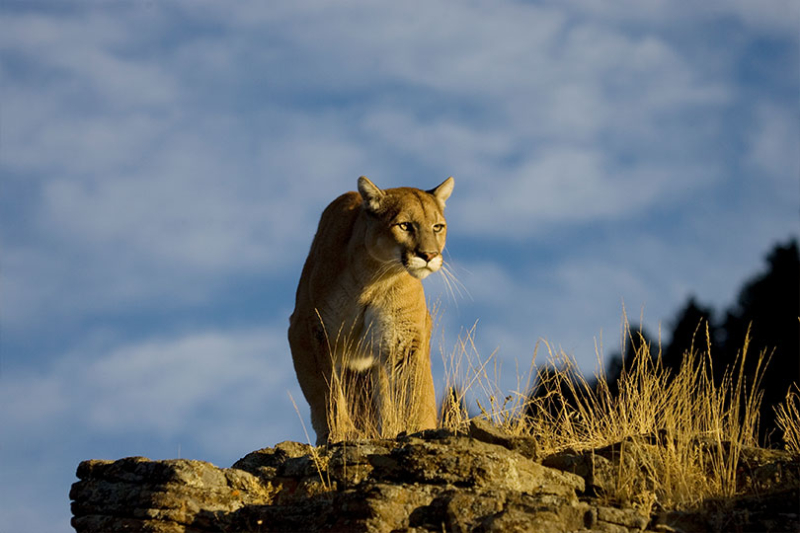
Texas Farm Bureau (TFB) is pushing back against a proposed Texas Parks and Wildlife Department (TPWD) rule that would require mandatory harvest reporting for mountain lions in Texas.
The rule would require harvested mountain lions to be reported within 24 hours through the Texas Hunt and Fish app or website. Hunters would also be required to submit a premolar tooth and tissue sample within 60 days. Failure to comply could result in penalties.
According to TPWD, the proposal is intended to improve data collection on mountain lion populations in Texas, which the agency says are “largely unknown.” The department noted Texas currently has “the most flexible mountain lion regulations of any state in the country, with no harvest limits.”
But TFB said the proposal raises concerns about private property rights, additional regulations and the long-term direction of wildlife management in Texas.
In comments submitted to TPWD, TFB wrote the organization supports “science-based wildlife management,” but opposes the proposed rule because it is “unnecessary, overly burdensome and inconsistent with both Texas’ statutory framework and private land stewardship model.”
The organization also expressed concern that the reporting requirement could lead to additional regulations in the future.
“We are greatly concerned this proposal lays the groundwork for incremental regulatory expansion beyond reporting alone, ultimately restricting landowners’ ability to protect livestock and property,” TFB wrote in the comments. “This, of course, is the stated goal of some proponents of this rule.”
TPWD said harvest reporting has proven useful in other Western states and for monitoring other species in Texas. The agency also noted previous voluntary reporting efforts did not produce enough usable data.
TFB, however, argued voluntary reporting efforts were not fully developed before moving toward a mandate.
“Rather than addressing these concerns through transparency and additional outreach, the proposed rule substitutes compulsory compliance for cooperation,” TFB wrote. “TFB believes this approach risks weakening long-standing relationships between landowners and the agency and may reduce, rather than improve, information sharing over time.”
The organization’s comments also focused heavily on the practical challenges of the proposal, especially for rural landowners and producers operating in remote areas.
TFB said the rule does not adequately account for limited cell service, technical issues with the app or the realities of predator management on large ranches and livestock operations.
“Mountain lions in Texas are often taken in response to immediate livestock depredation or perceived threats to human safety,” TFB wrote. “Introducing additional compliance obligations may unintentionally discourage decisive action, create hesitation due to fear of noncompliance or delay response in critical situations.”
The organization also questioned whether the proposal is necessary given the continued expansion of mountain lion sightings across Texas and neighboring states.
TFB pointed to reports of mountain lions in North Texas, East Texas and other areas where sightings were once uncommon. The organization said those sightings, along with observations of female lions with cubs in neighboring states, suggest the species is resilient and expanding its range.
TFB also warned the rule could create a precedent for future regulations on other non-game species traditionally managed through private land stewardship and landowner discretion.
Leave A Comment