
By Julie Tomascik
Editor
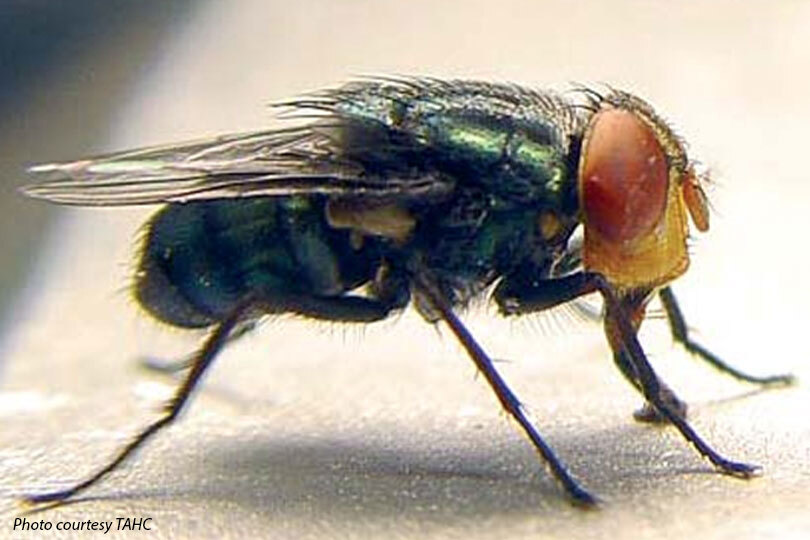
New World screwworm (NWS) activity has increased across Texas as cooler temperatures and favorable moisture conditions contribute to the spread of the pest.
The Texas Animal Health Commission (TAHC) continues to confirm infestations in livestock and wildlife across the state, including areas farther north and west of earlier detections.
Dr. T.R. Lansford, TAHC assistant state veterinarian and deputy executive director, said the increase in cases follows a period of reduced fly activity during the summer heat. The growing wild fly population in Mexico also continues to pose a threat, particularly along the Rio Grande and in South Texas.
The winter weather could help slow the pest’s spread, but Lansford cautioned that colder temperatures alone will not eliminate the threat.
Prolonged freezing temperatures can reduce adult fly populations, but immature stages of the pest can survive underground unless soil temperatures remain sufficiently cold for an extended period. That means livestock owners should remain vigilant throughout the winter and prepare for the possibility of increased activity when temperatures rise in the spring.
Federal and state agencies continue efforts to combat NWS through sterile fly releases, surveillance and investments in new production facilities.
The U.S. Department of Agriculture has released more than 1.7 billion sterile flies through aerial and ground operations to help disrupt the pest’s reproductive cycle.
Construction is underway on the new sterile fly production facility at Moore Air Base in Edinburg. The facility is expected to initially produce 100 million sterile flies per week, with plans to expand capacity to 300 million.
Lansford noted the importance of regularly inspecting animals for wounds, treating injuries promptly and reporting suspected infestations.
“The most important things we can put on our animals for screwworms is our eyes,” Lansford said.
He also encouraged producers to establish a relationship with their veterinarian and stay informed about infested zones and livestock movement requirements.
For the latest information on NWS detections and infested zones, visit tahc.texas.gov/emergency/nws.html.
Leave A Comment