
By Julie Tomascik
Editor
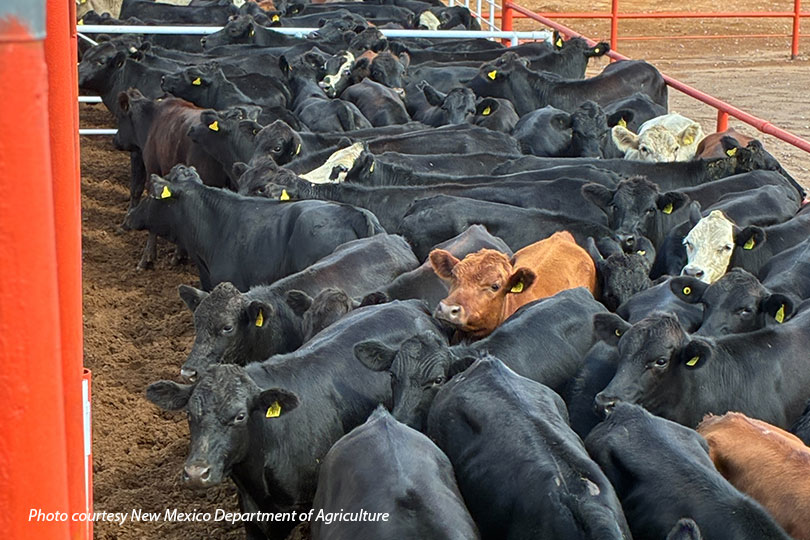
Mexican cattle imports resumed Sept. 24 at the Santa Teresa port of entry in New Mexico.
The port is the second to reopen as the U.S. Department of Agriculture (USDA) gradually restores livestock trade along the southern border following closures related to New World screwworm (NWS).
USDA said reopening decisions are based on progress under a joint action plan with Mexico to combat NWS. The agency has identified Chihuahua, which borders New Mexico and Texas, as a lower-risk area based on animal health infrastructure, surveillance and inspection efforts.
Additional safeguards are in place for cattle entering the U.S.
Animals must meet inspection and treatment requirements in Mexico before reaching the border. USDA officials also inspect cattle before they enter the U.S.
The reopening comes as federal and state animal health officials continue responding to NWS detections in the U.S., including a recently confirmed case in a horse in Grant County, New Mexico. Officials are investigating the case and working to determine how the horse became infested.
The Santa Teresa port handles a large share of cattle imported from Mexico.
“Santa Teresa is the busiest port for livestock inspections along the U.S.-Mexican border, inspecting 43% of all Mexican cattle imported in the last five years,” U.S. Secretary of Agriculture Brooke Rollins said.
Many of those cattle are destined for Texas feedyards and other livestock operations.
USDA continues to use sterile flies, surveillance, trapping and other measures to slow the spread of NWS.
About 100 million sterile flies are being dispersed each week in Mexico and Texas. USDA also continues to expand sterile fly production and dispersal capacity.
The Santa Teresa reopening follows the Douglas, Arizona, port Aug. 24 under enhanced animal health protocols. Cattle movement through Douglas has averaged just over 3,000 head per week since the port reopened, excluding one week when movement was disrupted on the Mexican side.
USDA has said the continued phased reopening of livestock trade will depend on NWS conditions and animal health safeguards on both sides of the border.
Leave A Comment