
By Julie Tomascik
Editor
Tyson Foods is restructuring its beef processing network as tight cattle supplies continue to challenge the packing industry.
The company announced Aug. 13 it will close its beef processing facility in Joslin, Illinois, and its case-ready facility in Eagle Mountain, Utah. Tyson also plans to pursue the sale of its beef facility in Pasco, Washington.
Tyson will shift capacity from the closing facilities to other locations. The company plans to center its beef business around plants in Dakota City, Nebraska; Holcomb, Kansas; and Amarillo.
The restructuring also includes plans to restore a second shift at the Amarillo beef plant as cattle become available. Tyson reduced the Amarillo facility to one shift in January when it closed its Lexington, Nebraska, beef plant.
“Collectively, these changes will allow the company to maintain a similar level of cattle harvesting across a more efficient and modern network,” Tyson said in a statement.
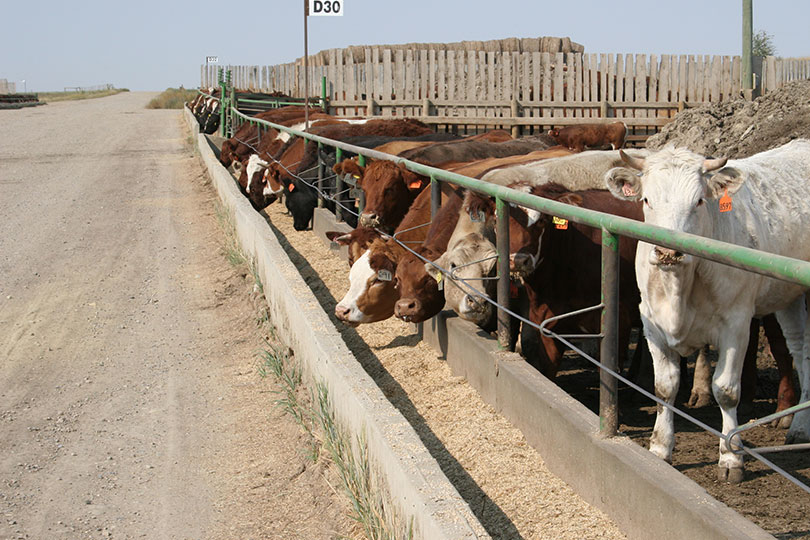
Tyson’s changes come as the beef industry continues to contend with historically tight cattle supplies.
USDA estimated 94.2 million cattle and calves were in the United States as of July 1, up slightly from last year. But the beef cow herd fell 1% to 28.5 million head. The 2026 calf crop is estimated at 32.5 million head, down 2% from 2025.
Those supplies have pressured beef packer margins. Tyson recently projected an adjusted operating loss of $500 million to $650 million for its beef segment in fiscal year 2026.
Some relief could come from the return of cattle imports from Mexico.
USDA plans to reopen the Douglas, Arizona, port of entry to livestock trade Aug. 24. It will be the first southern port to reopen under a phased plan following restrictions related to New World screwworm.
The reopening is contingent on Mexico meeting requirements in a joint action plan to control the pest. Cattle entering through the port will undergo a full USDA inspection for signs of New World screwworm.
USDA will evaluate the Douglas reopening before considering the Santa Teresa and Columbus ports in New Mexico for live cattle, bison and horse imports. The timeline could change if New World screwworm risks increase or Mexico does not meet required milestones.
Mexican cattle have historically been an important source of feeder cattle for the U.S. beef sector. Before border restrictions began, imports averaged more than 1 million head annually. The return of those cattle could add to feeder cattle supplies, but the impact on beef production will take time because imported cattle must first be grown and finished before slaughter.
Leave A Comment