
By Julie Tomascik
Editor
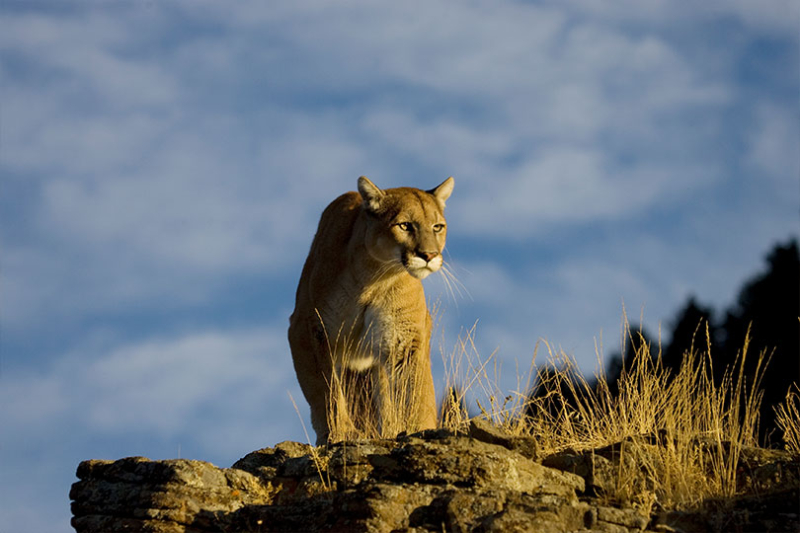
A proposal that would have required mandatory mountain lion harvest reporting in Texas was withdrawn from consideration by the Texas Parks and Wildlife Commission following significant opposition from landowners, hunters and agricultural groups.
The proposal would have required hunters and trappers to report mountain lion harvests within 24 hours and submit tissue and premolar samples within 60 days to help wildlife officials determine the animal’s age and sex.
Texas Parks and Wildlife Department (TPWD) officials said the data would have been used to better monitor mountain lion populations in Texas, where there is currently no official estimate of the species’ abundance.
During a work session Wednesday in Austin, Texas Parks and Wildlife Commission Chairman Paul Foster said the proposal generated substantial feedback regarding both how the data would be collected and how it could potentially be used in the future. Foster also noted concerns from private landowners and hunters who would be directly impacted by the proposal.
The commission directed the Texas Parks and Wildlife Department to spend the next year working with stakeholders, landowners and the hunting community to develop a practical and scientifically sound approach to improving mountain lion data collection.
Texas Farm Bureau (TFB) previously submitted comments opposing the mandatory reporting requirement, citing concerns about additional regulation and the potential for future restrictions on landowners and hunters.
“This is a step in the right direction,” said Jay Bragg, TFB associate director of Commodity and Regulatory Activities. “Texas Farm Bureau is encouraged by this action, and we look forward to working with the agency alongside industry stakeholders, landowners and the hunting community to outline a plan that does what’s best for the species, animal agriculture and the state.”
Bragg also noted the role TFB members played in submitting comments and participating in the rulemaking process.
“The response from Texas Farm Bureau members and others across the state showed why participation in the rulemaking process matters,” Bragg said. “Landowners, hunters and rural Texans took the time to share their concerns, and their voices were heard. That feedback is an important part of developing practical policies that work for both wildlife conservation and the people directly impacted by these decisions.”
Texas remains the only state with breeding mountain lion populations that does not require harvest reporting.
Last year, the commission approved regulations prohibiting canned hunting of mountain lions and requiring trap checks within 36 hours, marking some of the first regulations tied to management of the nongame species in Texas.
Leave A Comment