
In December, Mexico agreed to deliver 202,000 acre-feet by the end of March. Since then, the two governments have been in negotiation and will finalize the plan by Jan. 31.
Deliveries began the week of Dec. 15, 2025.
Hidalgo County farmer and Texas Farm Bureau District 13 State Director Brian Jones told the Texas Farm Bureau Radio Network this would have an impact for Lower Rio Grande Valley farmers.
“That can really put a dent in our situation, and we’d like to really see that that water be delivered,” he said. “It’s going to be delivered in two different ways. Part of it is coming through the Rio San Juan, which is not treaty water, but we’ll allow it to pay down the debt. That must be measured out and treated a little bit different than the other 50 or 60% that will be transferred into the dam systems.”
He is optimistic that the U.S. government will hold Mexico to their commitments.
“The Trump administration has really taken a hold of this, and they’ve stepped up. We believe that they’re going to hold Mexico accountable, so that’s where our hopefulness lies right now,” Jones said.
For Jones and other farmers in the Valley, the lack of water has led to fewer acres planted and forced the state’s only sugar mill to close.
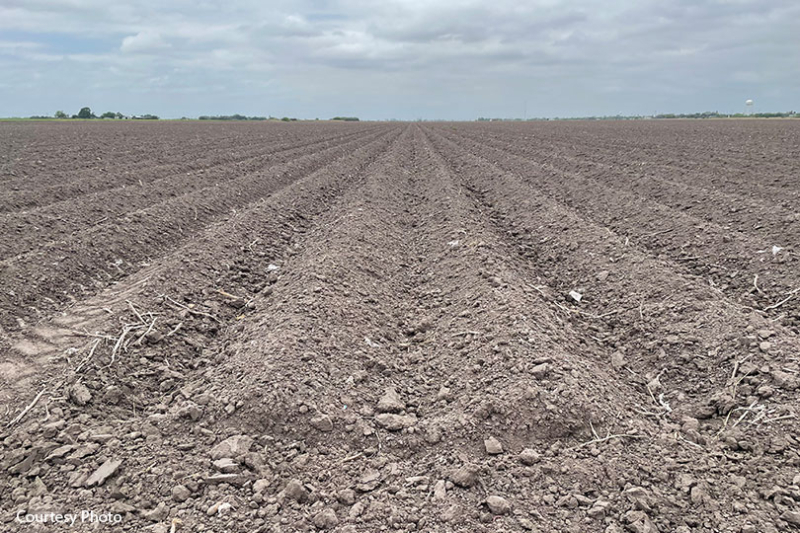
“The impact is real. I mean, the last three years, basically I’ve only been able to plant and irrigate half my acreage,” he said. “Now, this 202,000 acre-feet of water is no way going to make us whole, but hopefully we’re looking at maybe two thirds to three quarters of the farm being able to be irrigated in 2026.”
He noted that although residential areas take top priority over agricultural use their water supply impacts agriculture, too.
“This water will help make deliveries to the cities,” Jones said. “The cities have been able to have a full allocation or near full allocations because they’re always first priority. So, they’ve done okay. Where they’ve struggled is their water is normally just piggybacked on ag water. When ag water drops off, they must either go out and find extra water to be able to push their allocated water into the systems because they rely so much on the irrigation districts to deliver even their city water.”
Planting season begins soon for the Valley and what farmers decide to plant remains dependent upon the water deliveries.
“We have to budget water just the way we budget money, so we are in a wait and see area,” Jones said. “We’ll be planting corn here before the end of January. I have enough water to take care of that right now. Then, we’ll switch into grain sorghum, and the real balancing thing would be cotton.”
Texas Farm Bureau continues to work with Congress and the Trump administration to advocate for enforcement of the 1944 Water Treaty.
Leave A Comment