
By Shelby Shank
Field Editor
Spring planting across Texas is off to an uneven start, as drought conditions stall progress in some regions while others cautiously move ahead.
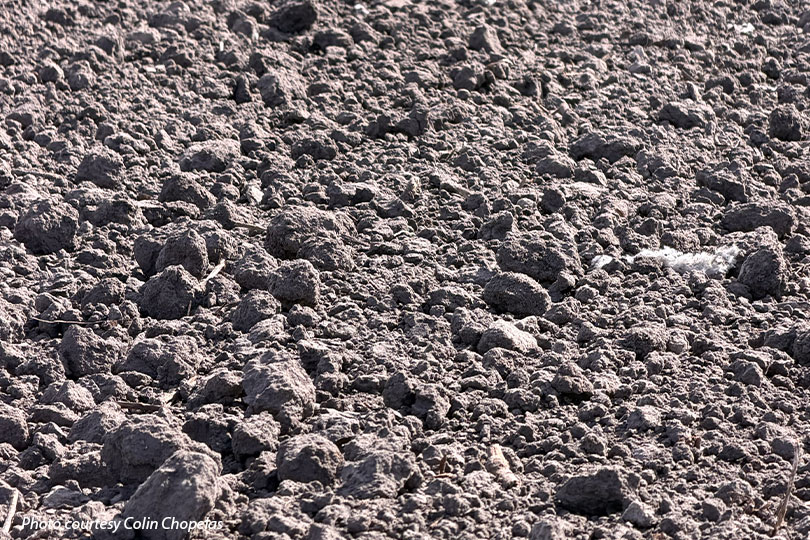
In the Coastal Bend, dry conditions brought fieldwork to a standstill. Colin Chopelas, a farmer in San Patricio County, told the Texas Farm Bureau Radio Network this season looks far different from a typical year.
“We haven’t planted a single acre yet. Typically, we’d be finished planting corn and into planting sorghum and maybe even some cotton by this point,” Chopelas said. “We are so dry and had so little rain throughout the winter that we’re just going to sit here and wait to see what happens if we catch any rainfall and maybe can get in the field sometime in March.”
The lack of winter moisture has left Chopelas behind schedule and weighing difficult decisions.
“With warm temperatures, we’d love to get some seed in the ground, but we’re just going to have to wait until we either get some adequate rainfall or until we get closer to our insurance deadline.”
Corn must be planted by March 31, and sorghum and cotton have until April 15. If rain doesn’t arrive soon, farmers like Chopelas may be forced to dry plant, in hopes that moisture will follow.
“We have a little time, and we’ll probably wait until the middle of March to see what the forecast looks like,” Chopelas said. “If there’s no rain in the forecast, we’ll go ahead and start dry planting because at some point, we do have to get the seed in the ground.”
Further south in the Rio Grande Valley, conditions are somewhat more favorable. Isaac Sulemana, from Hidalgo County, already planted corn and hopes to follow with sorghum.
“So far, we can’t complain,” he said. “It’s a little dry, but we’ve had excellent weather. It’s been a lot milder than we expected.”
Still, water remains a top concern.
Under the 1944 Water Treaty between the U.S. and Mexico, Mexico is obligated to deliver an average of 350,000 acre-feet of water annually from its tributaries into the Rio Grande over a five-year cycle. However, the country has fallen behind on its commitments, contributing to worsening water shortages for Texas farmers who rely on the river for irrigation.
Timely deliveries are essential for farmers who depend on irrigation allocations to make a crop.
Fortunately, uncertainty surrounding the treaty has not yet significantly altered Sulemana’s plans for planting.
“We’re trying to be optimistic. There are some concerns with whether there will be compliance, especially since it doesn’t seem like we have any significant rainfall in the forecast,” he said. “And making sure that we get those water deliveries on time so we can get an allocation to all the farmers is going to be critical in making sure we can make a crop.”
Leave A Comment