
By Emmy Powell
Communications Specialist
Consumers are getting a break on egg prices just in time for spring baking and Easter celebrations.
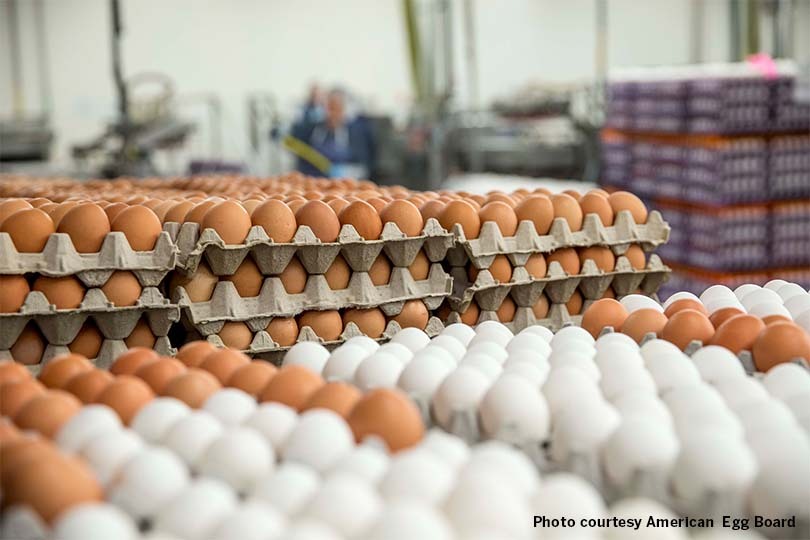
Texas A&M AgriLife Extension Service experts say retail egg prices have dropped significantly as the nation’s laying hen population rebounds from losses caused by highly pathogenic avian influenza (HPAI).
The most recent Consumer Price Index report shows eggs averaged $2.50 per dozen, a 58% decrease from the same time last year and the lowest price point since late 2023.
The drop follows a period when egg prices soared due to HPAI outbreaks that reduced flock sizes across the country, with prices reaching $8 for a dozen Large Grade A eggs.
Since then, prices have fallen dramatically, even dipping below $1 per dozen earlier this year before inching up slightly ahead of seasonal Easter demand.
“Egg prices have ticked up a little with Easter around the corner and the expectation for that seasonal demand—the Easter egg hunts and baking, deviled eggs and that sort of traditional use around the holiday,” Dr. David Anderson, professor and Texas A&M AgriLife Extension economist, said. “But shoppers will definitely notice prices are lower than last year.”
The primary reason behind the drop is that there are more chickens producing eggs.
As fewer and smaller HPAI outbreaks occurred this winter, growers had more time to rebuild their flocks, according to Greg Archer, associate professor and AgriLife Extension poultry specialist.
Nationwide, the number of table egg-laying hens increased from 292 million last March to about 308 million this year, a significant recovery after historic lows in 2025.
“We have more birds compared to last year because producers around the country haven’t been hit as hard by HPAI,” Archer said. “There are a lot of eggs out there, and demand backed off some when prices were really high.”
Lower feed costs also contribute to steadying production, but experts caution that global factors could still influence prices later this year.
Rising costs for inputs like corn, soybean meal and fertilizer may put pressure on growers in the months ahead.
And HPAI remains an ongoing threat, particularly during the spring migration of wild waterfowl, which are known carriers of the virus.
Texas egg-laying operations have avoided major outbreaks so far, but recent cases in other poultry sectors serve as a reminder of the risks.
AgriLife experts warn that any significant resurgence of HPAI could quickly reverse current trends.
“We should enjoy the prices right now,” Archer said. “Producers and the industry are focused on biosecurity, but if we see significant outbreaks around the country, we can expect to see prices increase.”
Leave A Comment