
By Shelby Shank
Field Editor
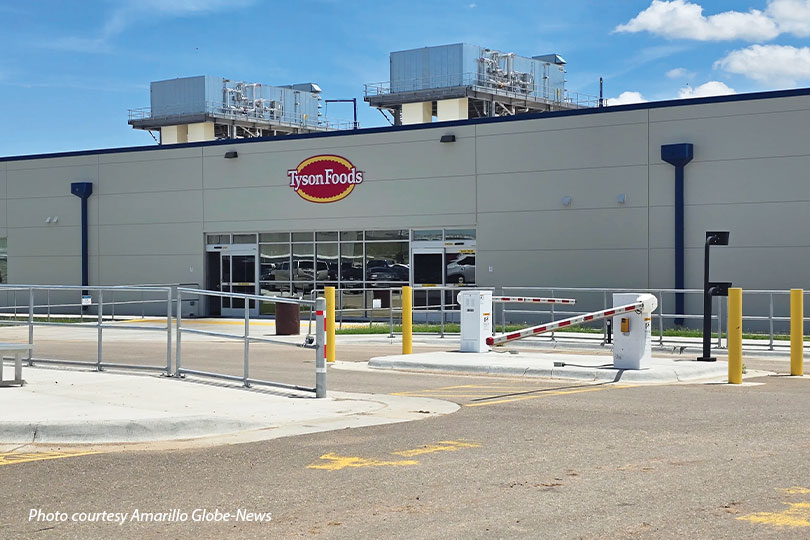
Tyson Foods announced plans to fully restore second-shift processing operations at its Amarillo beef packing plant through a long-term supply agreement with Allied Beef Company.
The move represents a significant reinvestment in beef processing capacity after Tyson reduced the facility to one shift in January. The company also laid off thousands of workers and closed facilities in Illinois and Utah.
The announcement comes as the U.S. beef industry continues to navigate historically tight cattle supplies. Years of drought have forced many ranchers to reduce herd sizes, and recovery has been slow due to continued dry conditions.
Under the partnership with Allied Beef, a group of ranchers and feeders located in Texas, Oklahoma, New Mexico and other states will help supply cattle and establish a more stable and predictable beef supply chain.
“The future of our beef business depends on strong partnerships across the supply chain,” said Wes Morris, Tyson Foods chief operating officer. “We’re proud to announce our intent to partner with Allied Beef and the American ranchers they represent while continuing to invest in facilities like Amarillo. Together, we plan to strengthen our beef production, creating value for American ranchers and helping ensure a reliable supply of high-quality beef for customers and consumers.”
Tyson said restoring the second shift will expand processing capacity and create employment opportunities in the Texas Panhandle.
The company expects the shift to be fully operational by summer 2027.
Allied Beef said the agreement would provide ranchers with greater confidence to invest in rebuilding their herds.
“The planned partnership represents a meaningful opportunity to create long-term value for American ranchers while strengthening connections across the cattle supply chain,” Allied Beef said in a statement. “By working directly with Tyson Foods, Allied Beef expects to create new opportunities for ranchers while helping support the continued growth of beef production.”
The partnership follows the U.S. Department of Agriculture’s decision to resume imports of Mexican cattle after halting shipments due to concerns about New World screwworm. Mexican cattle have historically accounted for 3% to 5% of U.S. cattle harvested.
The alliance is part of a broader shift toward relationship-based cattle procurement, connecting ranchers directly with markets while providing the packer with a reliable supply of cattle.
Leave A Comment