
By Julie Tomascik
Editor
Data center development is expanding across the state, and Texas Farm Bureau (TFB) is urging lawmakers to consider how those projects affect water, electricity and agricultural land.
Stephen Bauer, TFB District 10 state director and Kerr County rancher, submitted written testimony Aug. 19 to the House Committee on State Affairs as lawmakers studied data center development in Texas. Bauer was scheduled to testify before the committee, but invited testimony ended before he was able to speak.
In the written comments, TFB noted its support for responsible economic development but stressed that new projects should not come at the expense of natural resources, infrastructure and working agricultural lands.
“Water remains one of our members’ greatest concerns,” Bauer said in the testimony.
Farmers and ranchers continue to face drought, declining aquifers and increased competition for limited water supplies. Many data centers also require water for cooling operations.
Communities need clear information about how much water a facility will use and where that water will come from, TFB said. That includes how much water will be recycled and steps developers will take to minimize demand on local supplies.
“Agriculture and rural Texans should not find themselves competing for water because these questions were not answered on the front end,” he said.
Electric reliability and affordability are also important as data centers add large new loads to the grid.
Farmers and ranchers rely on electricity to irrigate crops, operate livestock facilities, store grain and power essential equipment. TFB supports efforts to ensure reliability and affordability for existing electric customers are not compromised as data center projects move forward.
The organization also believes large-load electric customers should cover infrastructure costs associated with serving their facilities.
“Farmers, ranchers, homeowners and small businesses should not bear the costs of infrastructure built primarily to serve some of the largest power consumers in the state,” Bauer said.Productive agricultural land is another consideration as data center development expands.
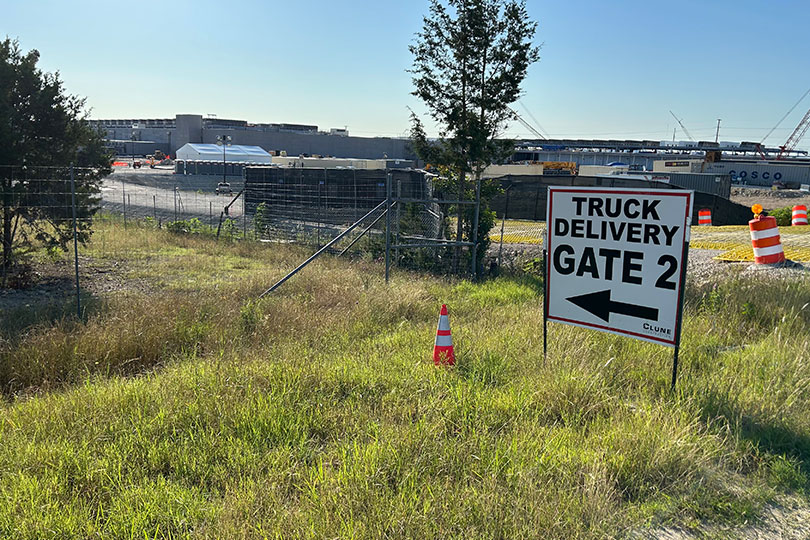
Bauer pointed to the Nexus Data Center in Hubbard, which has acquired more than 4,000 acres and is expected to acquire additional land. The property is in the Blackland Prairie of Central Texas, an area with some of the state’s best farmland.
TFB encouraged data center developers to explore ways to conserve agricultural land without waiting for a legislative mandate.
One option is partnering with the Texas Agricultural Land Trust (TALT), which was formed more than 20 years ago by TFB, Texas and Southwestern Cattle Raisers Association and Texas Wildlife Association to conserve working farms and ranches.
Developers could work with TALT to help keep valuable land in agricultural production.
TFB also stressed the importance of transparency and local involvement throughout the development process.
“If data centers want to operate in Texas, they should be prepared to pay their own way, secure their own resources, mitigate their impacts on natural resources and agricultural land, and be fully transparent about their plans,” Bauer said.
Leave A Comment