
By Shelby Shank
Field Editor
A routine check on a cattle herd in South Texas led to the confirmation of the first case of New World screwworm in Texas in 60 years.
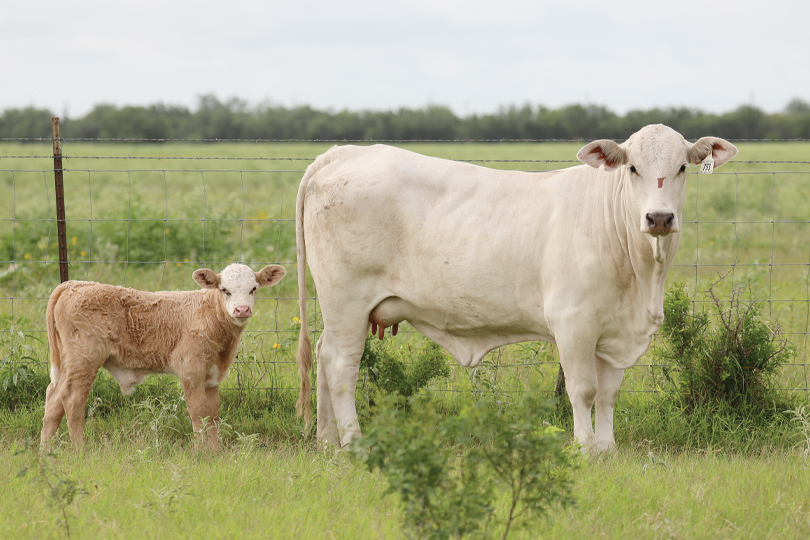
The case was identified at Rock Creek Ranch in La Pryor, where ranch manager Robbie Graff and his crew discovered a three-day-old calf with signs of a possible screwworm infestation.
“When we found the calf, we were in the pasture, checking water pivots and putting out mineral and cake,” Graff said. “The calf had come up with its mother, and we noticed the naval area was swollen and had blood around it.”
Like many South Texas ranchers, Graff has been closely following reports of the pest’s northward movement and preparing for the possibility that it could eventually reach Texas.
“We knew the screwworm was going to get here one day. We prayed it wouldn’t, but we’ve been studying the pest and preparing for when an outbreak would get here,” he said.
When the calf was contained and examined, Graff suspected it was New World screwworm.
He treated the calf, removed the larvae and contacted his veterinarian. Samples were submitted for testing at U.S. Department of Agriculture’s National Veterinary Services Laboratories in Ames, Iowa, where it was officially confirmed on June 3 that New World screwworm had reached the U.S.
Rather than panic, Graff’s focus was on following established protocols.
“There wasn’t any panic. We just went back into work mode, took care of the calf and followed the proper protocol by contacting our veterinarian and the Texas Animal Health Commission,” he said.
Graff emphasized that reporting screwworm cases is critical in preventing additional infestations.
“They’ve been dropping flies since the day after I reported the case, and we haven’t seen any more cases on the ranch since it was first detected,” he said.
The calf recovered quickly following treatment.
Graff and his crew have increased their monitoring efforts since the detection.
“We’ve been checking all of the cattle, if not every day, every other day,” Graff said. “Just make sure you’ve got your eyes on your cattle and are vigilant about checking them.”
He stressed that New World screwworm is a pest infestation and not a contagious disease.
“It’s not an infectious disease that travels from one animal to the other,” he said. “It’s a pest. The fly attacks a wound, and it’s not transmitted from one animal to the other or through the food chain.”
The current outbreak brought back memories from Graff’s childhood. He recalls accompanying his father checking cattle and watching sterile flies being distributed from planes and trucks.
Today, he remains confident that the same strategy can work again.
“I had known that it was vital to get it reported because as soon as you report it, they will immediately start dropping flies that night or the next day in your area,” Graff said. “It worked 60 years ago, so it’s really the only thing that’s going to be able to get rid of this infestation.”
Although the confirmation marked a significant milestone in the reemergence of New World screwworm in the U.S., Graff said daily operations at the ranch have changed very little.
“We’re here daily. We live here. It’s just a little extra work, but routine work,” he said.
His advice to other ranchers is straightforward: stay alert, seek help when needed and report suspected cases immediately.
“You’ve just got to take action,” Graff said.
Leave A Comment