
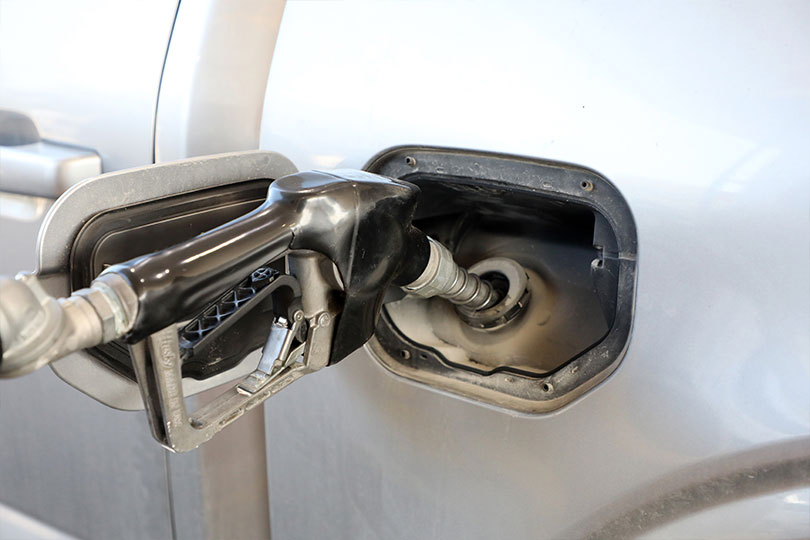
The U.S. Environmental Protection Agency (EPA) granted a temporary waiver to allow summertime sales of higher ethanol-gasoline blends in 2026.
“This emergency action will provide American families with relief by increasing fuel supply and consumer choice,” EPA Administrator Lee Zeldin said in a statement.
This is the fifth straight year of E15 waivers.
The move allows gasoline blended with 15% ethanol, known as E15, to be sold during the summer driving season from June 1 to Sept. 15. This is a period when it is typically restricted under federal law due to concerns over fuel volatility.
U.S. Secretary of Agriculture Brooke Rollins said the waiver will benefit both consumers and agriculture. This action will “directly lower prices at the pump and gives a clear demand signal to our domestic biofuels producers,” she said.
EPA’s annual waivers temporarily lift restrictions tied to Reid vapor pressure (RVP), which measures how easily fuel evaporates in warm temperatures.
Those limits have historically prevented E15 sales in the summer months, although many in agriculture and the fuel industry argue modern data shows the concerns are outdated.
Efforts to permanently allow year-round E15 have stalled in Congress. A 2021 federal appeals court ruling determined only lawmakers—not executive action—can authorize nationwide, year-round sales. That decision overturned a prior attempt during President Donald Trump’s first administration to extend E15 availability.
Since then, administrations have relied on emergency waivers to maintain access to the fuel blend during peak driving months.
The Biden administration approved waivers from 2022 through 2024, and the current administration continued the practice in 2025 and now 2026.
Farm groups continue to push for a legislative fix, noting ethanol demand supports corn prices and rural economies while offering consumers a lower-cost fuel option.
“America’s families are feeling the strain of higher energy costs, and expanding access to E15 is one way to help ease that burden,” Zippy Duvall, American Farm Bureau Federation president, said. “At the same time, it creates stronger markets for farmers who are working hard to produce renewable fuels.”
Duvall stressed the need for consistency in federal policy. Without a permanent solution, he said, farmers, fuel retailers and consumers face uncertainty each year as summer approaches.
Leave A Comment