
By Julie Tomascik
Editor
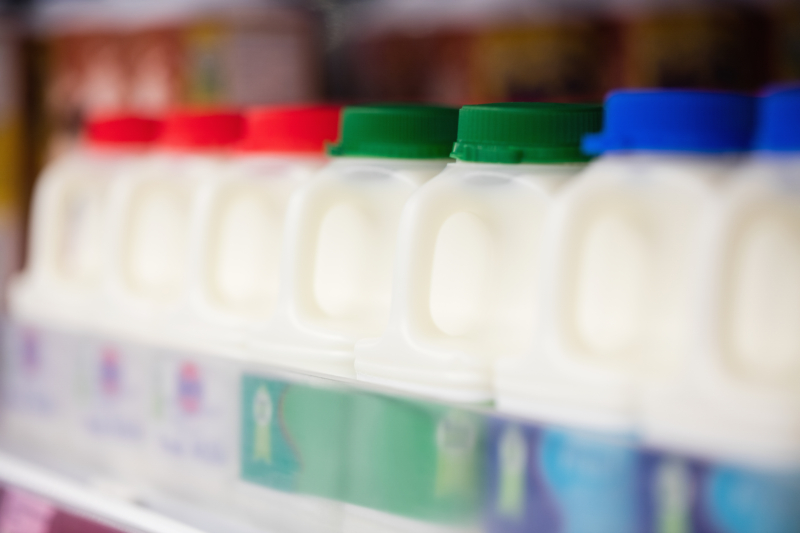
President Donald Trump signed the Whole Milk for Healthy Kids Act, allowing whole milk to be served in schools for the first time in more than a decade.
“This is the first bill signing of the new year, and it will ensure that millions of school-aged children have access to high quality milk as we make America healthy again,” Trump said at a signing ceremony for the bill Wednesday, Jan. 13.
The measure, which cleared Congress late last year, allows schools participating in the National School Lunch Program to serve flavored and unflavored whole milk and 2% milk. Schools can also serve reduced-fat, low-fat and fat-free fluid milk and lactose-free milk, as well as non-dairy beverages that meet standards set by the U.S. Department of Agriculture (USDA).
The legislation aligns with recommendations from the Make America Healthy Again Commission and comes a week after the U.S. Department of Health and Human Services released new U.S. dietary guidelines.
“Thanks to President Trump’s leadership, whole milk is back, and it’s the right move for kids, for parents and for America’s dairy farmers,” U.S. Secretary of Agriculture Brooke Rollins said. “This bipartisan solution to school meals, alongside the newly released Dietary Guidelines for Americans, reinforces what families already know: nutrient dense foods like whole milk are an important part of a healthy diet.”
The Whole Milk for Healthy Kids Act rolls back rules approved under the Obama administration that restricted milk options to fat-free or low-fat.
“This ensures children will have access to important vitamins, protein and other essential nutrients, while supporting Texas dairy farmers who need access to expanded markets for their product,” Texas Farm Bureau President Russell Boening said.
School milk accounts for nearly 8% of fluid milk demand, making it a significant market driver.
“America’s farmers as a whole are struggling with high expenses that outpace income. Finding a solution that benefits everyone without creating extra costs for taxpayers is innovative and a sign of good government,” American Farm Bureau Federation President Zippy Duvall said. “Farm Bureau is committed to working with the administration to find more solutions to keep farmers in business and increase affordability for America’s families.”
Following the announcement, USDA issued program implementation guidance to school nutrition officials to implement the bill. The department also said it will rewrite the Child Nutrition Programs to ensure school meals are also aligned with the Dietary Guidelines for Americans 2025-2030.
Leave A Comment